Note: No affiliate links, no sponsor. Every image below came out of one chat session on a paid ChatGPT account, from the prompts printed next to them. The room I tested on is AI-generated, so nothing here depends on a photo you cannot see.
Before you repaint a wall or buy a sofa, you want to see it. People type "use ai to decorate my room" into a search box for exactly that reason.
The problem is not the tool. The problem is that "make my living room nicer" gives you a different room. Different sofa, different window, different floor. Useless for deciding anything, because you cannot compare it to what you have.
What works is the opposite: change one thing, and pin everything else down. Below are eight prompts, one per thing you might want to change. Copy the one you need, swap the bracketed parts for your own room, and paste it with your photo.
Start from a photo of your own room
Take one photo, straight on, with the pieces you care about in frame. That is the only input you need.
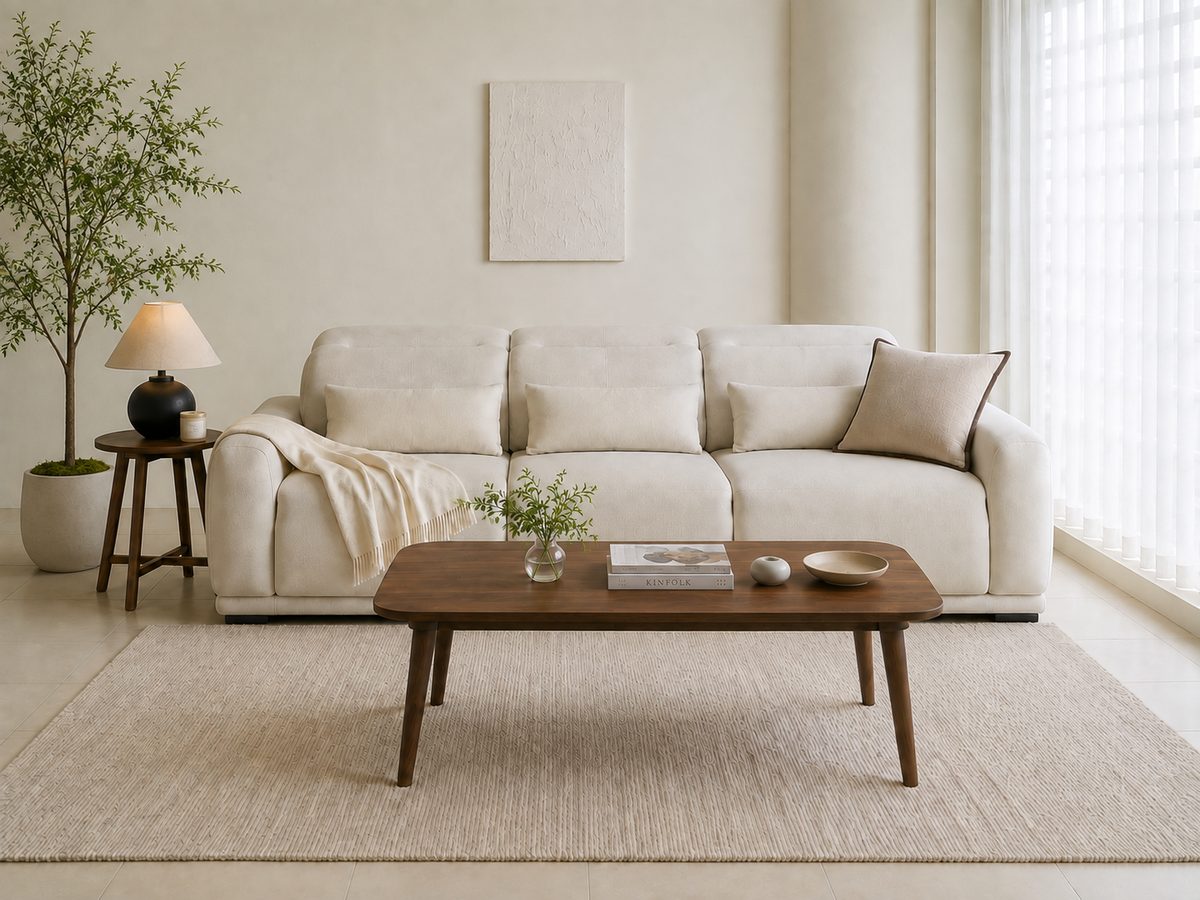
Everything below was run on this one room so you can see what each prompt did:
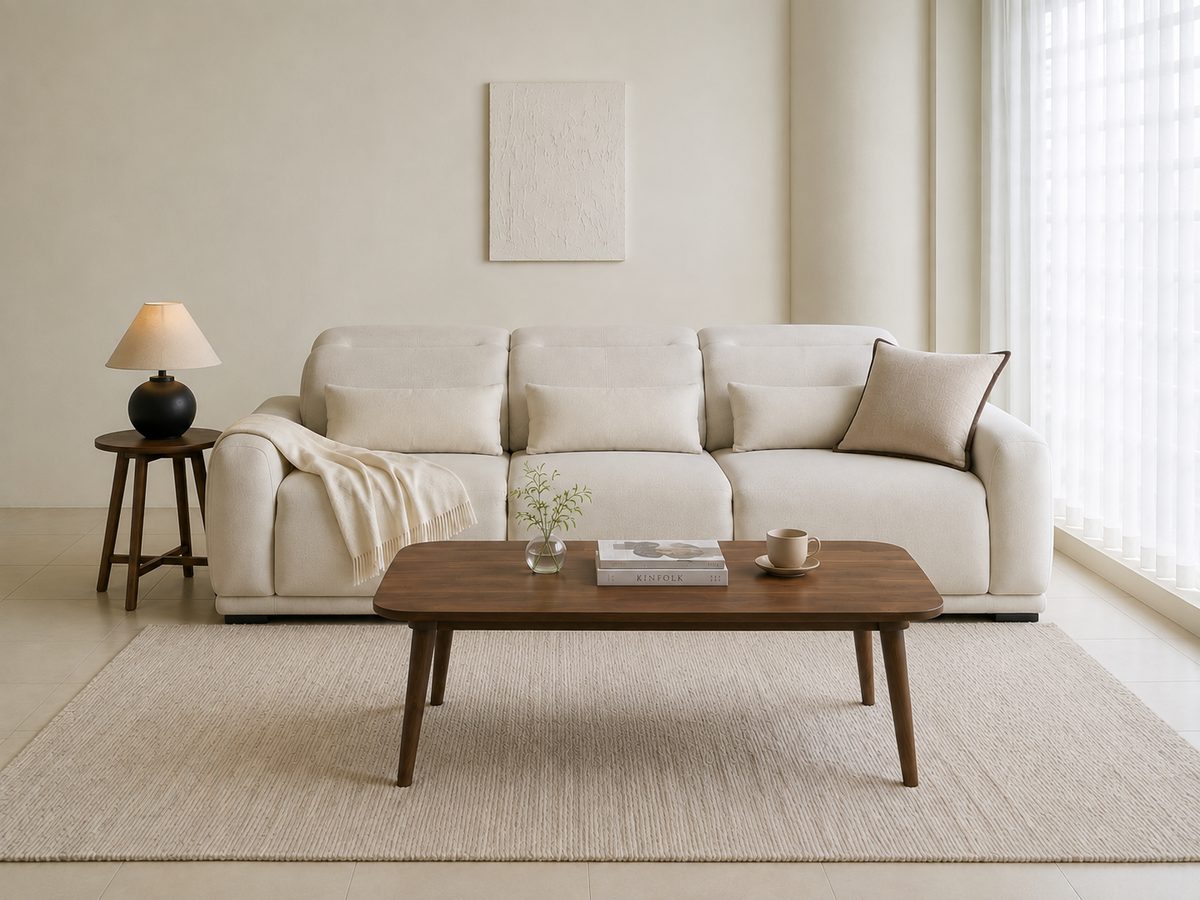 The room every prompt below was tested on. Cream sofa, walnut coffee table, black ball lamp, beige rug, tile floor.
Using one room throughout matters. Any difference you see between the images below was caused by the prompt rather than by a different starting room.
The part that every prompt shares
All eight have the same skeleton:
Here is a photo of my [ROOM TYPE].

Keep exactly as they are:
- [the pieces you want to survive]
- the room's walls, window and floor and their positions
- the camera angle and framing of my photo

You may change:
- [the one thing]

Do not add furniture I do not own. Do not remove my furniture.
Photorealistic, same lighting direction as the original photo. No people, no pets.
The two lines that do the heavy lifting are "Keep exactly as they are" and "the camera angle and framing of my photo". Without the second one the model wanders off and shoots your room from somewhere else, and then you have nothing to compare.
1. Change the sofa (or any single piece of furniture)
This is the one most people actually want: what would a different sofa look like in my room?
Here is a photo of my living room.

I want to see what a different sofa would look like in this room.

REPLACE ONLY THE SOFA:
- Replace the [cream boucle three-seat sofa] with a [dark olive green leather
  three-seat sofa with low square arms and tapered wooden legs].
- The new sofa must sit in exactly the same place, at the same angle, at the same
  scale, and take up the same footprint as the old one.

Keep everything else exactly as it is:
- the walnut coffee table and the round walnut side table with the black ball lamp
- the beige woven rug, the sheer curtains and the framed canvas on the wall
- the room's walls, wall colour, window and floor tiles
- the camera angle and framing of my photo

Do not change the wall colour, the floor, the ceiling, or the overall exposure
and brightness of the photo.
Do not add any other furniture. Do not remove anything else.
Photorealistic, same lighting direction as the original photo. No people, no pets.
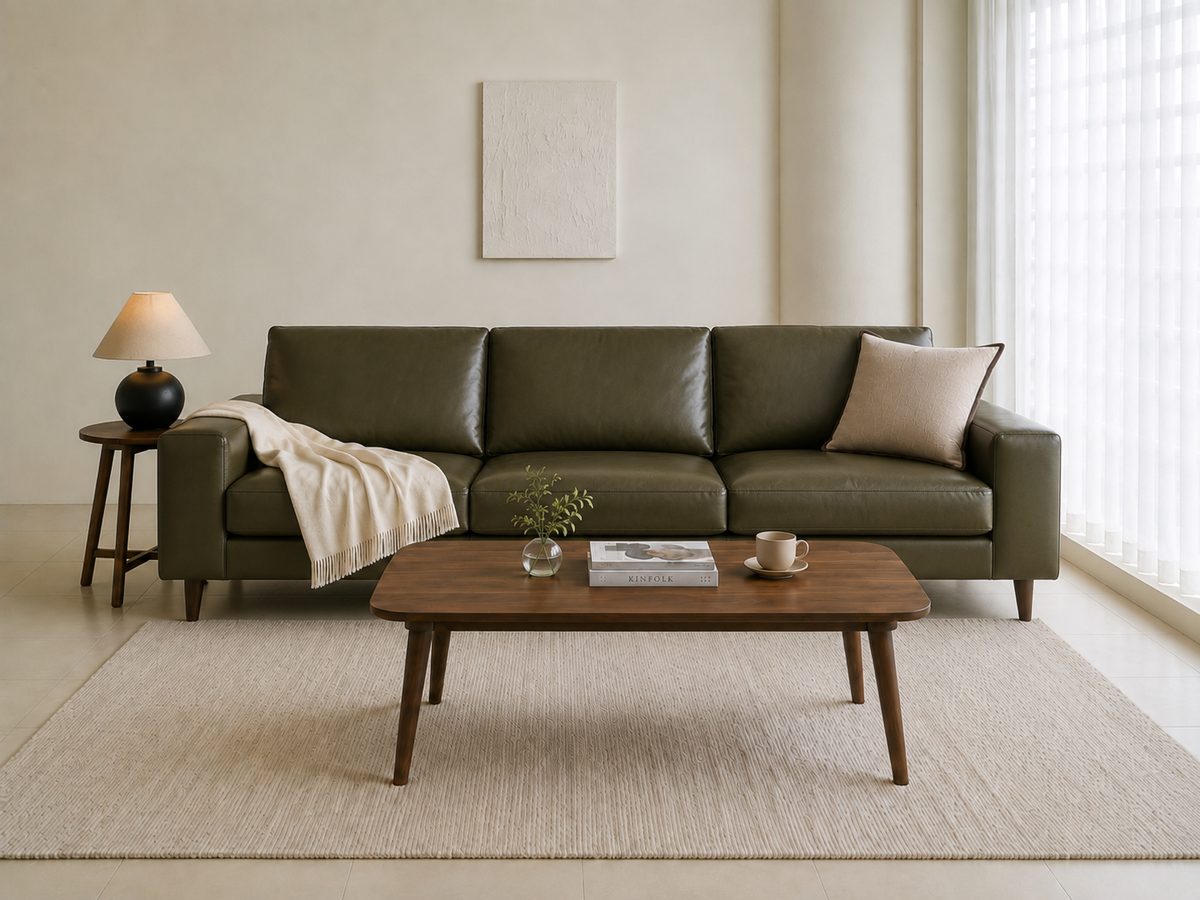 Only the sofa changed. The throw, the cup, the books and the little glass vase all survived.
The sentence that makes this work is the second bullet: same place, same angle, same scale, same footprint. Drop it and the new sofa arrives in a slightly different spot at a slightly different size, and the comparison stops being a comparison.
Watch for: the replacement tends to come out marginally larger than the original. If you are checking whether a sofa physically fits, do not trust this. Measure.
2. Rearrange what you already own
No new furniture. Just move it.
You may change:
- the arrangement and positions of my existing furniture only
Use it with the shared skeleton, and change one line in the keep-list so the model knows it may move things:
- the [sofa], the [coffee table] and the [side table] - the same pieces, same colour,
  same material, same size. You may move them, but they must be the identical objects.
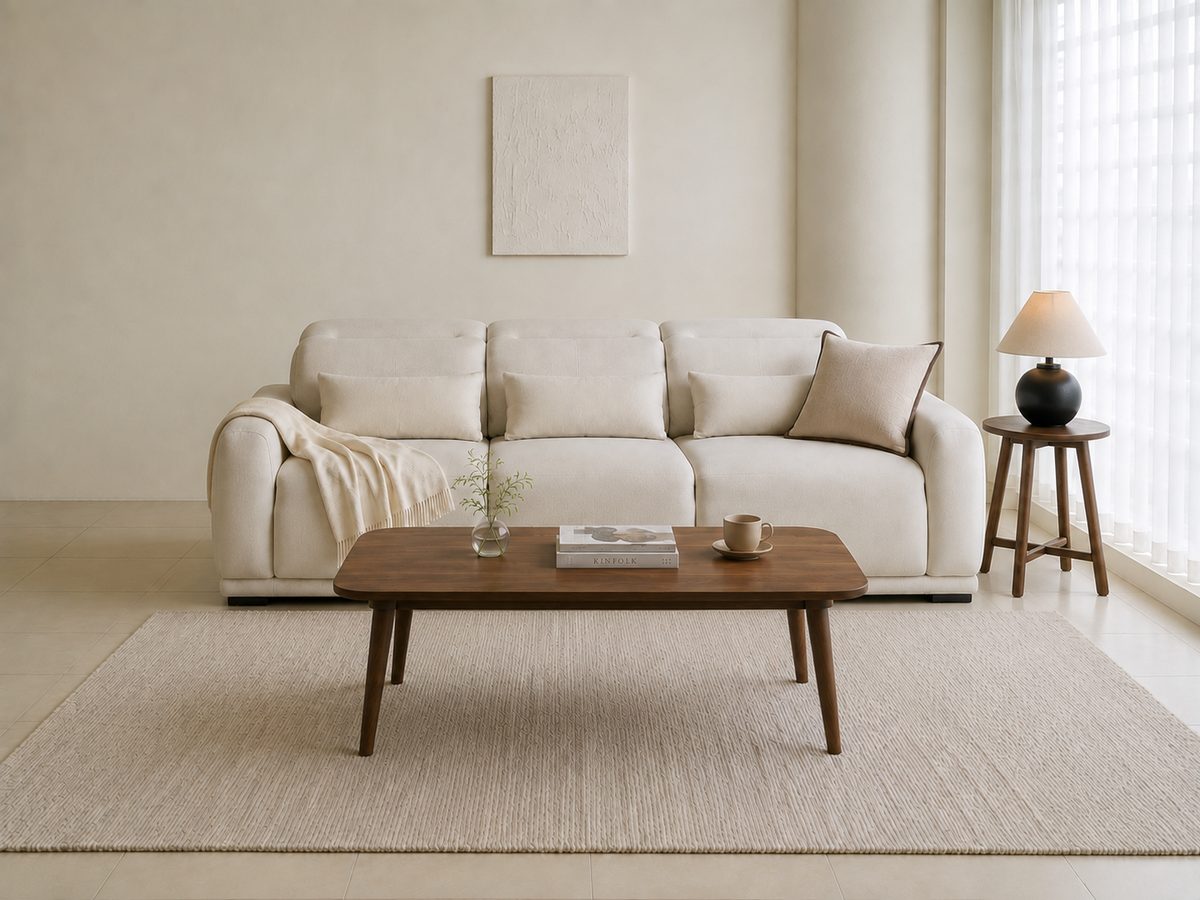 Same objects, new positions.
Watch for: "you may move them" is doing a lot of work. Without it the model reads the keep-list as "do not touch" and hands you back a nearly identical photo.
3. Change the flooring
Of the eight, this one behaved best. It changed the floor and left everything else alone.
You may change:
- the flooring material only

Do not change the wall colour, the ceiling, or the overall exposure and brightness
of the photo. Every surface except the floor must keep the exact same colour and
tone as in my photo.
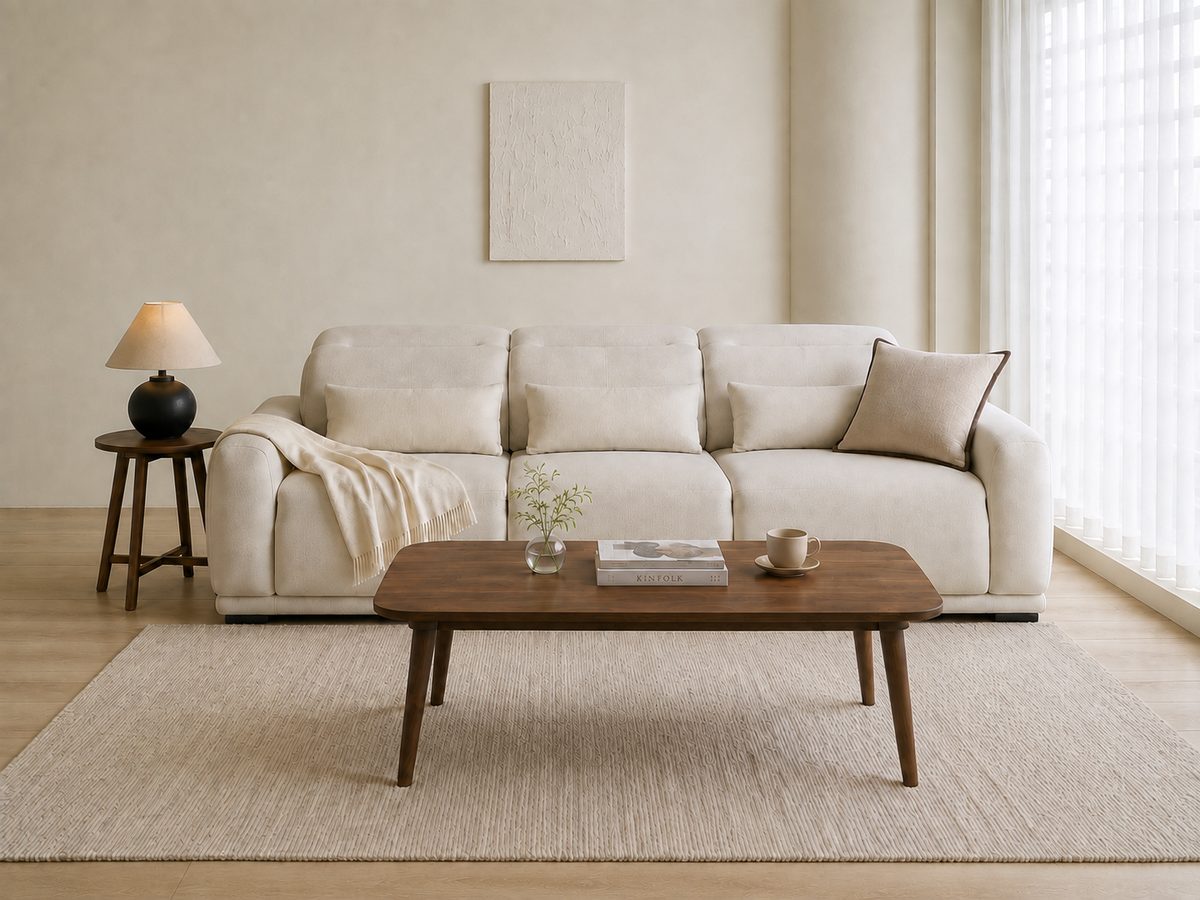 Tile to oak planks. The wall and the furniture did not move at all.
Watch for: nothing much. Of the eight, I would trust this change most.
4. Change the ceiling
You may change:
- the ceiling only - give it [exposed wooden beams and a warmer ceiling finish]

Do not change the wall colour, the floor, the floor tile colour, or the overall
exposure and brightness of the photo.
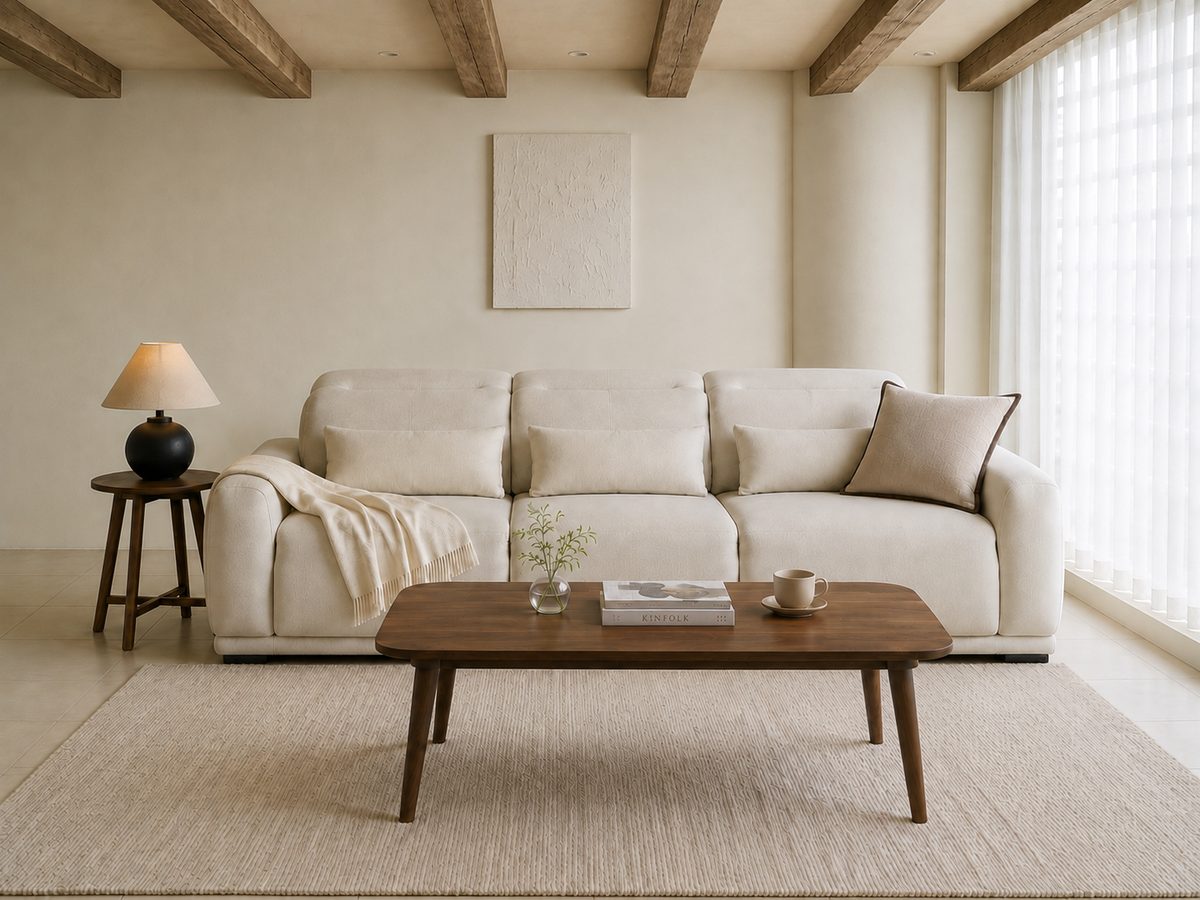 Beams and downlights arrived. So did a wider view.
Watch for, because this one has a real catch. Ask for a ceiling change and the camera backs up. To show you the ceiling it widens the shot, so the room reads bigger than it is. Put this side by side with the original and you can see it. If you are judging proportions, do not judge them from a ceiling render.
5. Change the wall colour
You may change:
- the wall colour only

Do not change the floor, the floor tile colour, the ceiling, or the overall exposure
and brightness of the photo. Every surface except the wall must keep the exact same
colour and tone as in my photo.
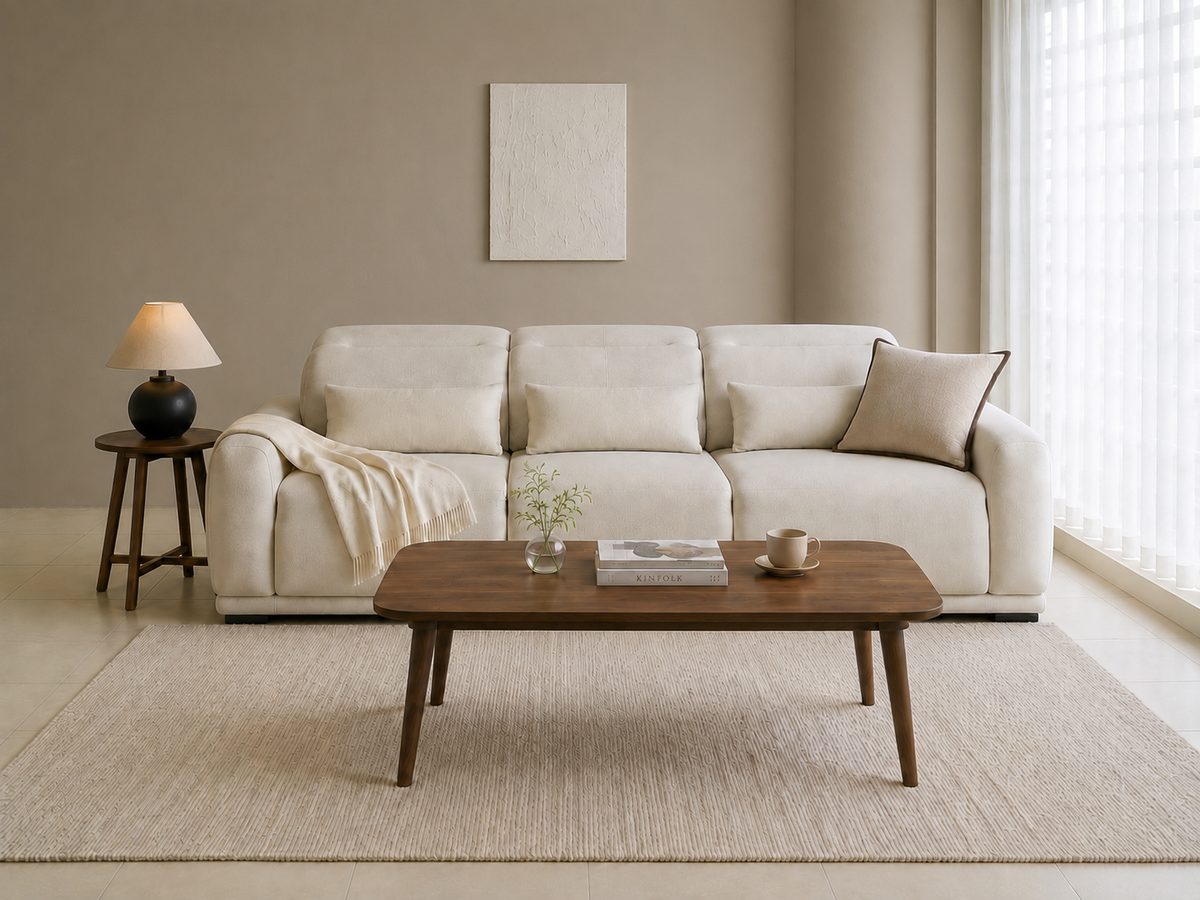 Off-white to warm greige.
Watch for: when I asked for the wall colour only and nothing else, the floor got darker too. The model does not repaint a wall. It re-lights the whole scene, and the wall goes with it. That second paragraph, the one starting Do not change the floor, is there to stop that, and it helps.
It does not always help by the same amount. I ran the identical prompt on a bedroom instead of a living room and the floor moved considerably more. Which brings us to the thing nobody tells you: a prompt that behaved in one room will not necessarily behave in another. Check the result rather than trusting the recipe.
6. Change the lighting
You may change:
- the light fixtures and the lighting mood only

Do not change the wall colour, the floor, the floor tile colour, or the ceiling
surface itself. Every surface must keep the same base colour as in my photo -
only the light falling on them may change.
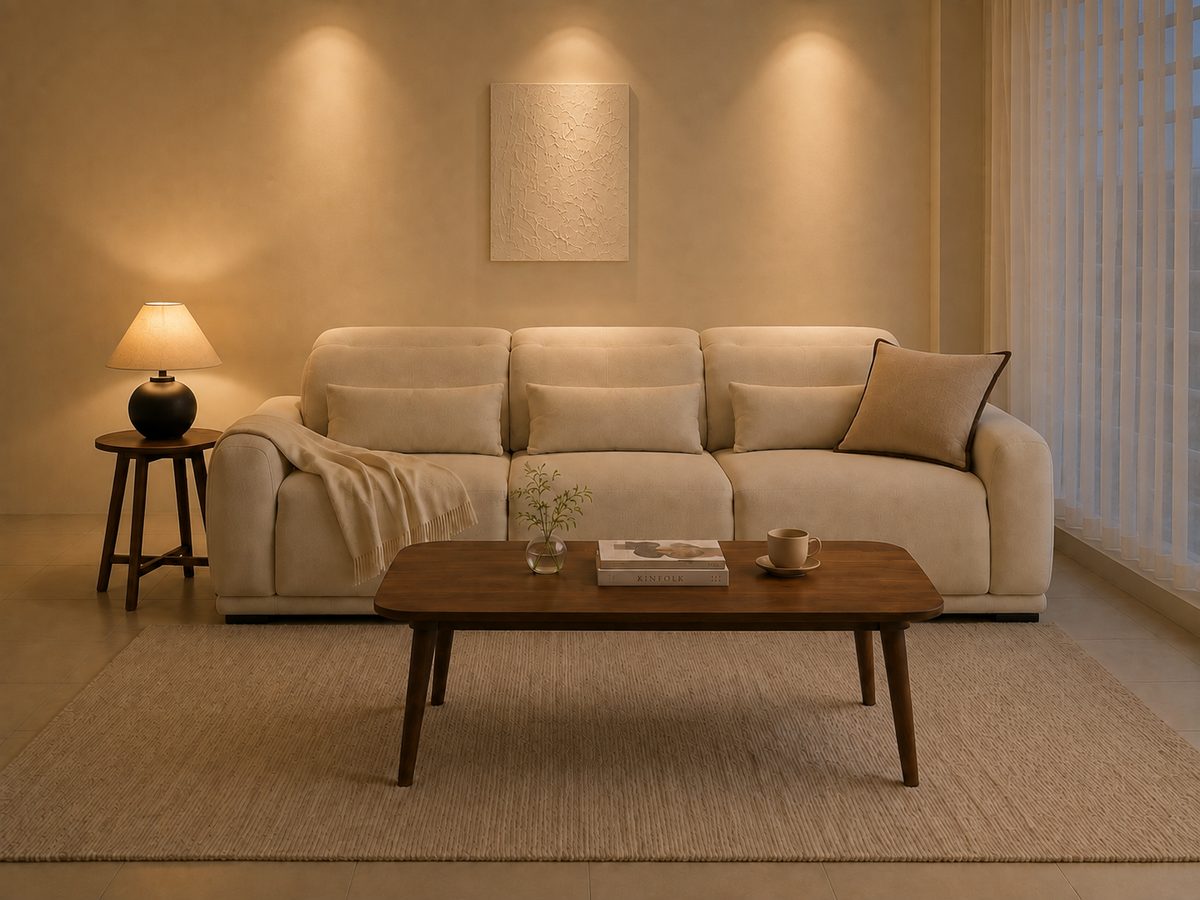 Afternoon to evening. Same room, same furniture, different hour.
Watch for: this one repaints every pixel in the image, and that is not a bug. Change the light and everything's colour changes with it. The furniture is all still there and still itself. But if you were hoping to judge a paint colour from a lighting render, you cannot. Do one or the other.
7. Change the rug, curtains and cushions
The cheapest real-world change, so worth testing before you buy.
You may change:
- the rug, the curtains and the cushions only

Do not change the wall colour, the floor, the floor tile colour, the ceiling, or the
overall exposure and brightness of the photo. Every surface except the rug, curtains
and cushions must keep the exact same colour and tone as in my photo.
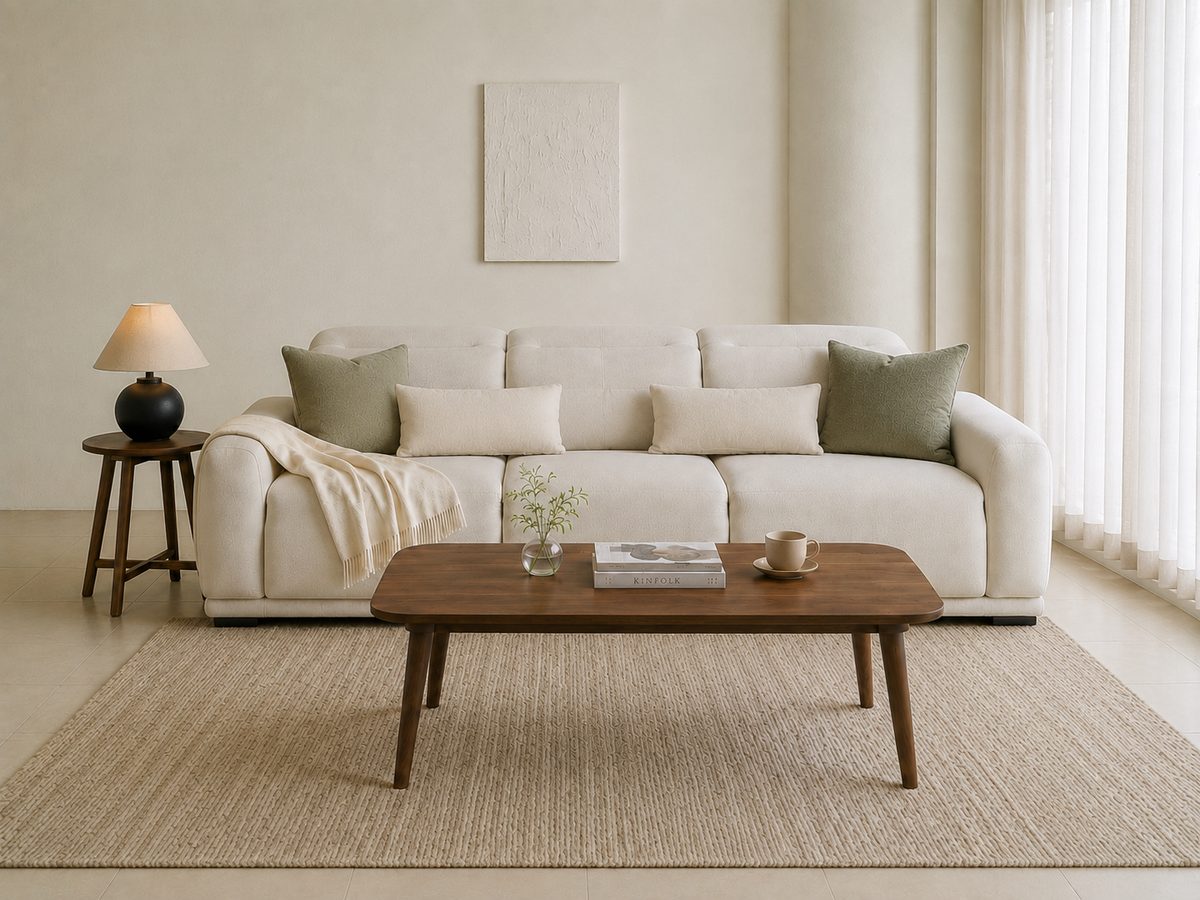 Soft furnishings only.
Watch for: cushions sit on the sofa, so "change the cushions" and "keep the sofa" are fighting a little. The sofa frame held, but if the sofa itself is what you are protecting, name it explicitly in the keep-list.
8. Add plants and small decor
You may change:
- add plants and small decor objects only

Do not change the wall colour, the floor, the floor tile colour, the ceiling, or the
overall exposure and brightness of the photo. Every existing surface must keep the
exact same colour and tone as in my photo.
 The most conservative of the eight. Almost nothing else moved.
Watch for: if you want a specific plant, say so. "Plants" gets you the model's house style.
What I got wrong, so you do not have to
I assumed you had to describe your furniture in detail. Every guide says it: name the colour, name the material, or the model will swap your sofa for a different one. So I tested it. Same room, same prompt, the only difference being the cream boucle three-seat sofa, the walnut coffee table and the round walnut side table with the black ball lamp versus a bare my furniture.
The two results were the same. Sofa, table, lamp, rug, throw, cup, books, glass vase: all present in both.
That is one test, on one room, for one small change with a strong lock paragraph attached. For a bigger ask such as "make it Scandinavian", naming may well matter. But the advice is not the law it is presented as, and if you are staring at a long furniture inventory wondering whether you have to type it all out, you probably do not.
A prompt that works is not a prompt that always works. The wall-colour prompt held the floor still in the living room and let it drift in the bedroom. Same words, different room, different result. Run it, look at it, and if something moved that should not have, add a line naming that thing and run it again.
What this is for
None of this decides anything for you. It is a way to look at a change before you pay for it, so you find out that the olive sofa is too dark, or that the oak floor works, without a delivery van being involved.
Treat every image as a sketch rather than a specification. It will not tell you whether the sofa fits. It will tell you whether you like it.